4 min read
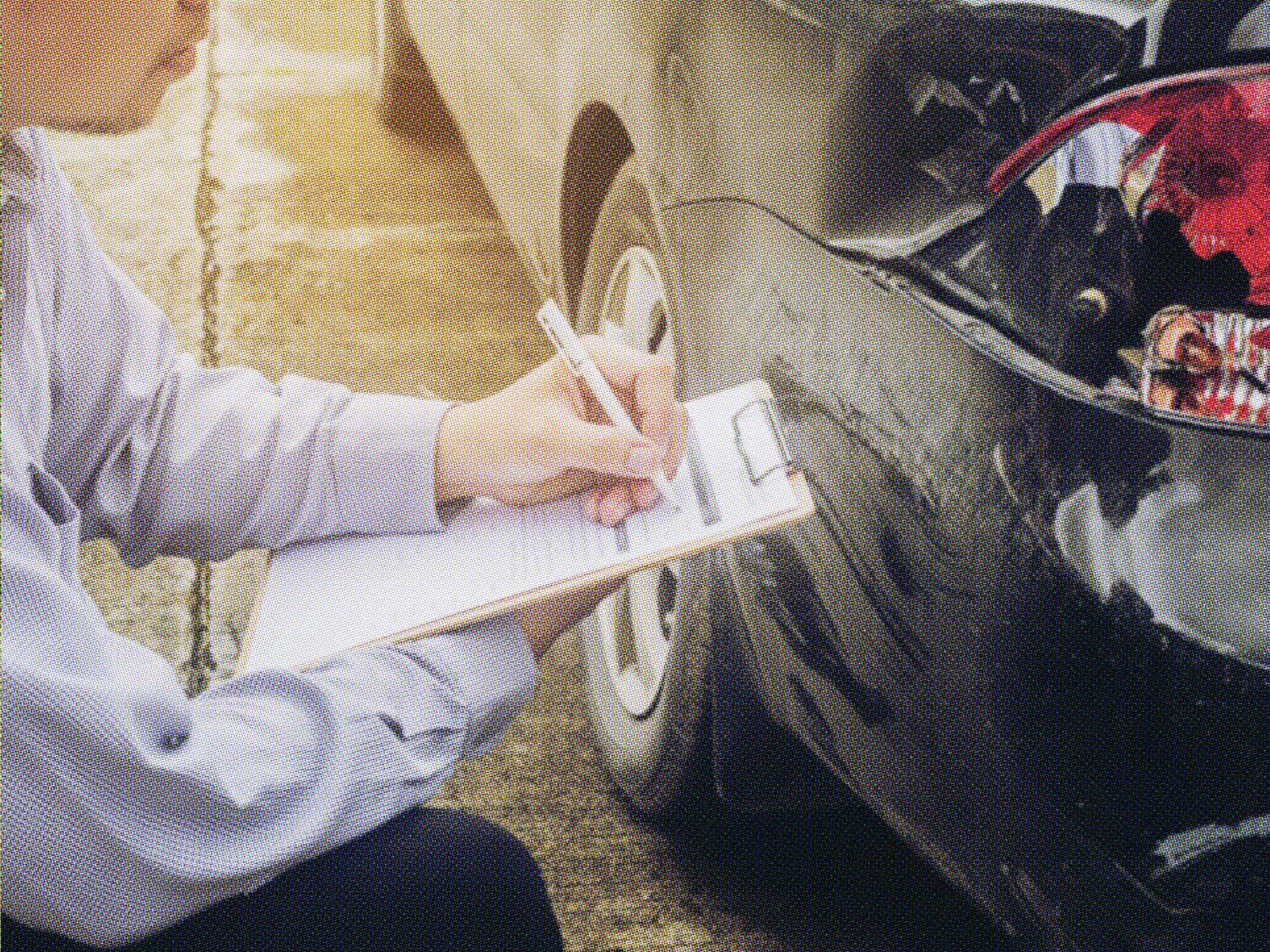
A few years ago, a fender bender might have been a straightforward insurance repair. Today, that same fender bender might get your car declared a total loss. If that's happened to you recently, or if you're wondering why it seems to be happening more and more, you're not imagining it.
Total loss rates have climbed significantly in recent years. Here's what's actually driving it, and what you can do if you end up on the wrong end of that call.
What "total loss" actually means
An insurance company declares a car a total loss when the cost to repair it exceeds a certain percentage of the car's actual cash value (ACV). That threshold varies by state, but it's typically somewhere between 70% and 100% of the car's value.
So if your car is worth $10,000 and repairs would cost $8,500, many insurers will total it rather than fix it. You get a check for the ACV (minus your deductible), and the insurer keeps the car.
Why it's happening more often now
Repair costs have surged. Modern cars are packed with sensors, cameras, radar systems, and complex electronics. What used to be a simple bumper replacement now involves recalibrating a half-dozen safety systems. Labor costs have climbed at body shops across the country, and the technology doesn't make it cheaper.
Parts availability. The supply for parts was severely strained for years, but has improved. Delays on specific components (sensors, cameras, ADAS parts) still push timelines and costs up.
Used car values have risen, then dropped unevenly. When used car prices surged, more cars got fixed because the ACV was higher. As values have normalized in some segments, the repair-to-value math has shifted again. The same repair cost that was 60% of value two years ago might be 85% today.
What your options are if your car is totaled
Getting a total loss payout isn't the end of the road. You have a few choices:
- Accept the payout and move on. The insurer takes the car, you get a check. If the offer feels low, you can negotiate. Pull comps from your area to support a higher ACV.
- Buy back your car as salvage. In some states, you can buy back the totaled car from the insurer at a reduced price, fix it yourself, and get a rebuilt title. This is complex and not for everyone.
- Sell it yourself before the insurer takes it. If you own the car outright and aren't planning to make an insurance claim, you can sell a totaled or heavily damaged car directly to a buyer like Peddle and potentially come out ahead depending on the damage.
Can you sell a car with a salvage or total loss title?
Yes. Cars with salvage titles can still be sold. The pool of buyers is smaller (fewer lenders will finance a salvage title car), and the value is lower than a clean title equivalent, but it's absolutely sellable. Online car buyers who specialize in damaged and junk cars, including Peddle, buy cars with salvage titles regularly.
Wrapping it up: the total loss trend isn't slowing down
The combination of expensive parts, complex repairs, and rising labor costs means more cars are going to get totaled in 2026 than in years past. If you get that call from your insurer, know your options. You can negotiate the payout, buy the car back, or sell it yourself.
If you've got a totaled car and you're ready to move on, get your instant offer from Peddle today.