3 min read
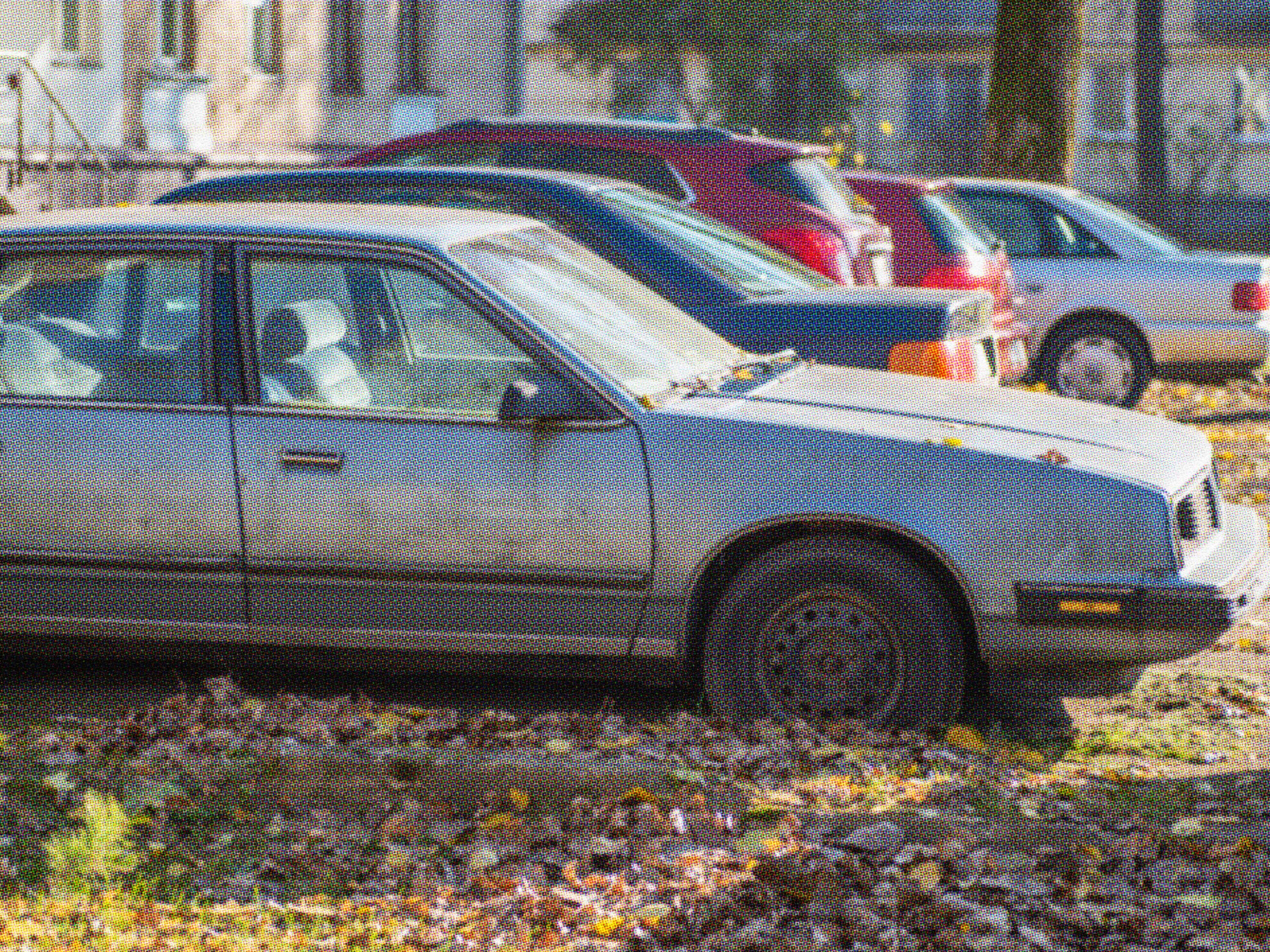
The second car made sense once. Maybe you bought it when someone in the household needed a backup. Maybe it came with a life change that's since changed again. Maybe it's just… there, sitting in the driveway, getting used occasionally and costing money constantly.
Here's the honest question: is the second car actually earning its keep, or is it quietly draining your budget every month?
What a second car actually costs per year
Most people underestimate the true cost of keeping a car they don't drive much. Here's a realistic breakdown:
Expense | Estimated Annual Cost |
|---|---|
Insurance | $800 (liability only) - $2,400 (full coverage) |
Registration & fees | $100–$300 |
Maintenance (tires, oil, etc.) | $400–$800 |
Depreciation | $500–$2,000+ |
Parking (if applicable) | $0–$2,400 |
Total | $1,800–$7,900+/year |
That's not counting any repairs. And depreciation is especially brutal on cars that sit, because they still lose value while also developing issues from non-use (dried seals, battery drain, tire flat-spotting).
Even at the low end, you're looking at $150/month for a car you might use a few times a week.
What's changed in 2026 that makes this worth revisiting?
A few things have shifted the math recently:
Insurance costs are up. Auto insurance rates have climbed significantly across the country since 2023, and that trend hasn't reversed. A second car adds another policy or another vehicle to your existing policy, either way, you're paying more.
Rideshare is more affordable and available than ever. In most metro areas, the cost of occasional rideshare use is far less than maintaining a second car you only use a few times a week.
Remote work is still common. If someone in your household used the second car for a commute that no longer exists, the entire use case may have evaporated.
When keeping a second car actually makes sense
There are real reasons to hold onto it:
- You live in a rural area where rideshare isn't reliable
- Both adults in the household have demanding, overlapping schedules
- The car has been fully paid off and runs great with minimal upkeep
- You're supporting a teenage driver or elderly family member who needs reliable transportation
If several of those apply, the math might still work in the second car's favor.
What you could do with that money instead
Let's say you sell the second car for $5,000 and eliminate $200/month in ongoing costs. Over the next three years, that's $5,000 in your pocket plus $7,200 in savings you didn't spend, a total of $12,200 freed up. That's a solid emergency fund, a down payment, or just breathing room.
Selling a car you're not really using is one of the fastest ways to free up real money without changing your lifestyle much.
Wrapping it up: the math usually doesn't lie
If you're holding onto a second car out of habit more than necessity, running the real numbers is worth 10 minutes of your time. Ownership costs add up fast, and in 2026, there are more options than ever for getting around without a second vehicle.
If the numbers say let it go, get your instant offer from Peddle today and put that money to work.