3 min read
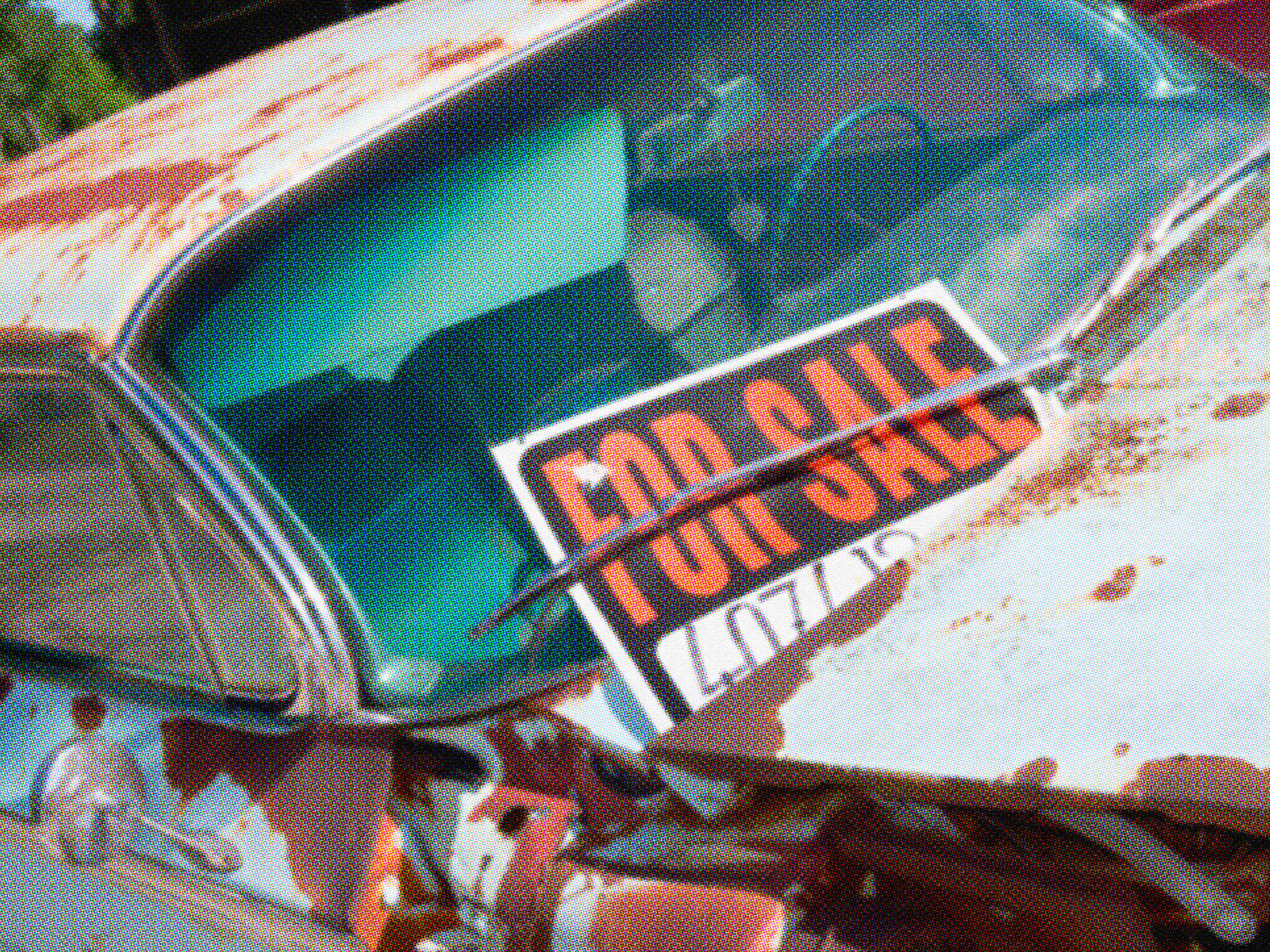
You’re glancing at the scratches down the driver’s side door, the bubbling paint near the wheel well, maybe even a bit of surface rust creeping in, and you’re wondering whether that’s going to kill your car’s value.
The good news? Cosmetic damage and rust don’t automatically mean zero value, they just mean you’ll want to approach the sale with a little more clarity. Let’s unpack what happens to a diminished vehicle, how it affects the value, and how to sell smart when it’s not perfect.
Why cosmetic damage matters
It’s important to know the difference between cosmetic and structural damage. Cosmetic damage refers to visible wear and tear that doesn’t prevent your car from functioning, its dents, scratches, faded paint, small panels out of alignment, or surface rust. While these issues don’t stop the engine, they do affect perception, buyer confidence, and ultimately the number someone is willing to pay.
Rust, particularly, is its own category. Surface rust is common and fixable, but rust that has penetrated or impacted frame, undercarriage or structural components becomes a major red flag. The roadworthiness and repair cost increase significantly in those cases.
How much value gets affected?
It depends on severity, location, and condition. Here’s a table to simplify:
Type of damage | Estimated impact on value | Why it matters |
|---|---|---|
Minor scratches / faded paint | Slight reduction (≈5-15%) | Buyers may budget for a repaint |
Moderate dents, chipped panels | Moderate reduction (≈10-30%) | Visible repair needs create uncertainty |
Surface rust (non-structural) | Moderate (≈15-40%) | Shows exposure to elements, may spread |
Structural rust or frame damage | Large reduction (≈30-50% or more) | Safety and legal issues, major repair costs |
It’s worth noting that some sellers assume “buying a junk car = no value.” That isn’t true, cars with cosmetic damage or surface rust may still have functional parts, viable metal, or as-is market appeal.
What to ask before you sell
If your car has rust or noticeable damage, ask yourself:
- Is the damage mostly cosmetic? (scratches, paint chips, small dents) Or is it structural?
- Does the car still run without issue?
- Are major components (engine, transmission, electronics) intact and working?
- Do you have service records or receipts that show maintenance?
- Are there local buyers who accept as-is cars, or will you have to pay to fix it before selling?
Repair vs. Sell as-Is: Which makes sense?
Sometimes people believe they must fix every dent and repaint before selling. That’s not always the best move. Let’s compare:
Option | Typical cost | Value added | Best for |
|---|---|---|---|
Cosmetic repairs (minor) | $300-$1,000 | Moderate boost | High-demand model, clean title |
Structural repairs | $1,000+ | High uncertainty | Special model, high resale value |
Sell as-is with damage | $0 repair cost | Value depends on buyer | Quick sale, any condition |
If your car is old, has high miles, or the damage is obvious and can’t be easily fixed, selling as-is often beats spending money you won’t recover.
Why Peddle makes it easy
Here’s where we’re different: we buy cars as-is, damage or no damage, rust or no rust. No need to spend time or money preparing your ride. Here’s how it works:
- Get an instant online offer—we take the condition into account.
- Schedule free pickup—we tow the car, you don’t lift a finger.
- Get paid at pickup—quick, clean and no surprises.
That means even if your car has visible rust or is beaten up, you can still unlock value without the stress of repairs or listing your car for weeks.