4 min read
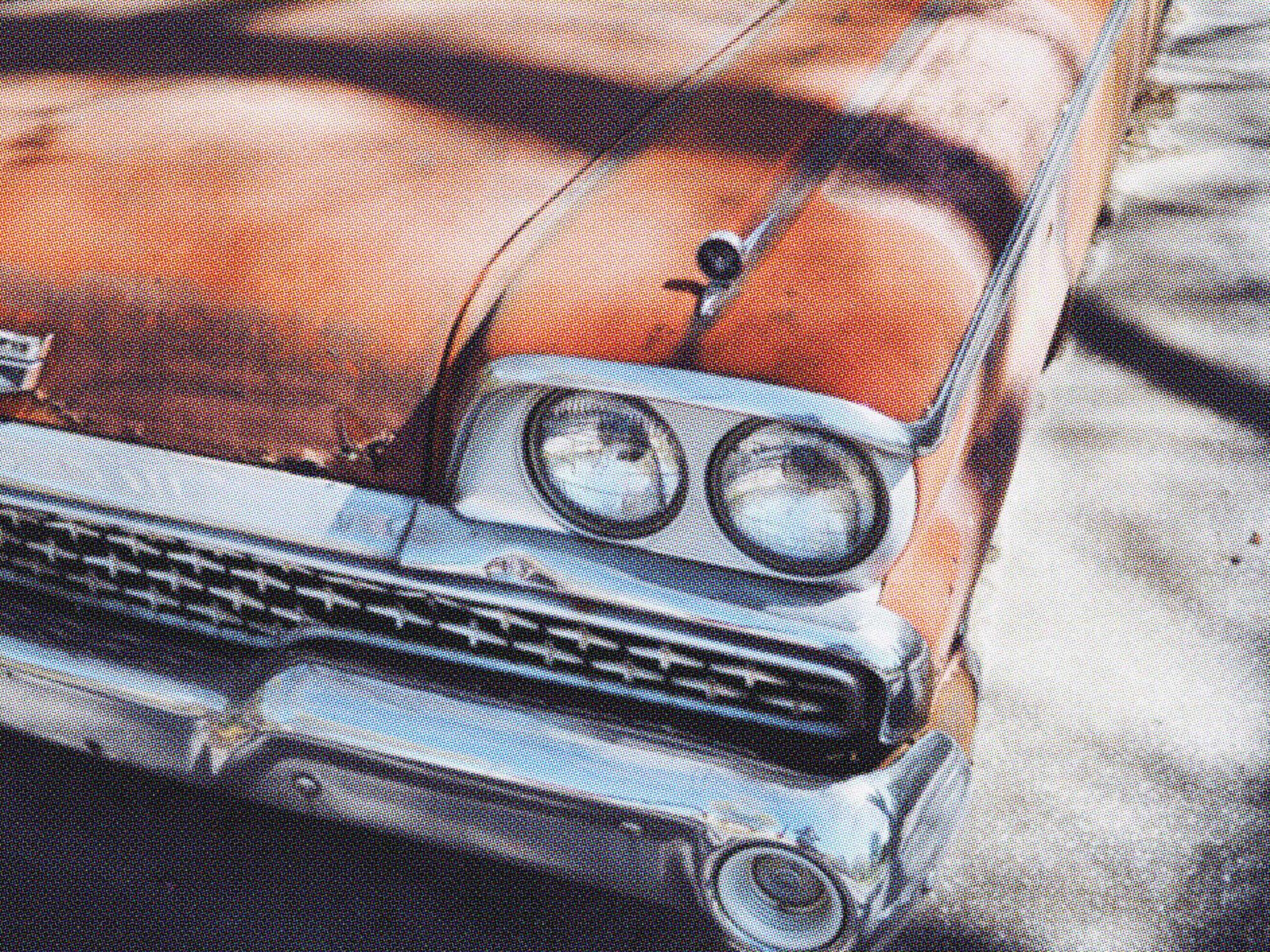
For decades, the romantic image of resurrecting a forgotten classic has seduced gearheads and dreamers alike. You know the fantasy: You stumble upon a dust-covered ’69 Camaro in a farmer’s field, tow it home, and two years later, it’s gleaming at Cars and Coffee. But reality often bites harder than a rusty lug nut. The line between a restorable project and a parts-donor junker is razor-thin—and misjudging it can cost you $50,000 and five years of weekends.
Key traits: project car vs. junk car
Let’s cut through the nostalgia. Here’s how the pros differentiate a diamond in the rough from a money pit:
The make-or-break differences
Evaluation Criteria | True Project Car | Junk Car |
|---|---|---|
Body/Frame Condition | Surface rust only; solid rockers, floors, and frame rails | Structural rot; rockers buried in dirt, frame holes |
Parts Availability | Common model (e.g., Miata, Mustang) with aftermarket support | Obscure make (e.g., ’54 Packard Patrician) with unicorn parts |
Mechanical Viability | Engine isn’t seized; transmission shifts | Blown motor, missing components, rodent-infested wiring |
Financial Logic | Restoration cost ≤ 1.5x market value | $30k repair bill for a car worth $15k |
Sentimental Weight | Heirloom with emotional equity; e.g., grandpa’s truck | No personal attachment—just "looked cool" on Facebook Marketplace |
The reality check: why 90% of projects fail
Forum horror stories reveal the harsh truth: That $13,500 “bargain” 1941 Continental with sunk rocker panels? It’s likely been decaying in a shed since Nixon was president. Here’s why optimism backfires:
- The 2x Rule: Restoration costs double initial estimates. A $10k budget balloons to $20k fast, especially with shop rates hitting $120/hour.
- Completion Odds: Less than 10% of DIY projects ever hit the road. Most become “garage jewelry” abandoned after enthusiasm fades.
The Scarcity Trap: Rare ≠ valuable. A “one-of-a-kind” DeSoto coupe sounds special, but if no one makes brake drums for it, you’re building a very heavy sculpture.
"Backyards are littered with millions of ‘treasure’ that’ll never be more than scrap metal." — AACA Forum Veteran
Financial implications: passion vs. pragmatism
Ignoring the math? Prepare for pain:
- Project Cars: A running, driving Mazda Miata ($3,000) can become a $15k track beast with off-the-shelf parts. Its huge community and tuner-friendly design make it a smart investment.
- Junk Cars: That “rare” $20k Chrysler sedan? After $50k in metalwork and custom fabrication, it’ll sell for $28k. You just funded a $42k hobby.
The break-even secret: Buy cars below scrap value. A non-running Honda Civic might cost $500 but yields $1,200 in parts alone (engine, transmission, ECU).
The resurrection shortlist: 2025’s most viable projects
Not all hope is lost! These models balance affordability, parts access, and enthusiast demand:
1. Mazda Miata (NA/NB, 1989–2005):
Why it works: Simple RWD mechanics, 4,000+ aftermarket suppliers, and LS V8 swap kits. Even rusty shells have value.
2. Honda Civic (1991–2000):
Why it works: Dead-reliable engines, dirt-cheap OEM parts, and a global tuning scene. Perfect for first-timers.
3. Fox Body Mustang (1979–1993):
Pro tip: Hunt its cheaper sibling, the Mercury Capri. Same platform, half the hype-tax.
Avoid money-pit red flags: frame damage, unobtanium parts, or sellers saying "ran when parked" 30 years ago.
When to call it: the hidden value in "junk"
Surrender isn’t failure, it’s strategy. Here’s how to salvage dignity (and cash):
- Part It Out: A seized engine doesn’t kill value. Sell the grille ($200), doors ($150/pair), and gauges ($300). Parting out often nets 5x scrap value.
- Creative Recycling: Transform trunks into beer coolers, fenders into art, or sell the shell as a movie prop.
- Scrap Smartly: Aluminum wheels ($70), catalytic converters ($150), and copper wiring ($4/lb) add up. Use services like Peddle for instant offers with free towing.
The final wrench turn: making the call
Before committing, ask brutally:
- "Is this a $50k car when done?" (Use Bring a Trailer sold prices, not seller dreams)
- "Can I get every part within 6 months?" (Call suppliers, don’t guess)
- "Will I still care in 3 years?" (Be honest about your attention span)
Bottom line: Project cars promise resurrection; junk cars demand a funeral. Distinguish wisely—or let services like Peddle turn your “treasure” into their profit (and your quick payday). They’ll quote your “junk” instantly and haul it for free, paying cash same-day.