
6 min read
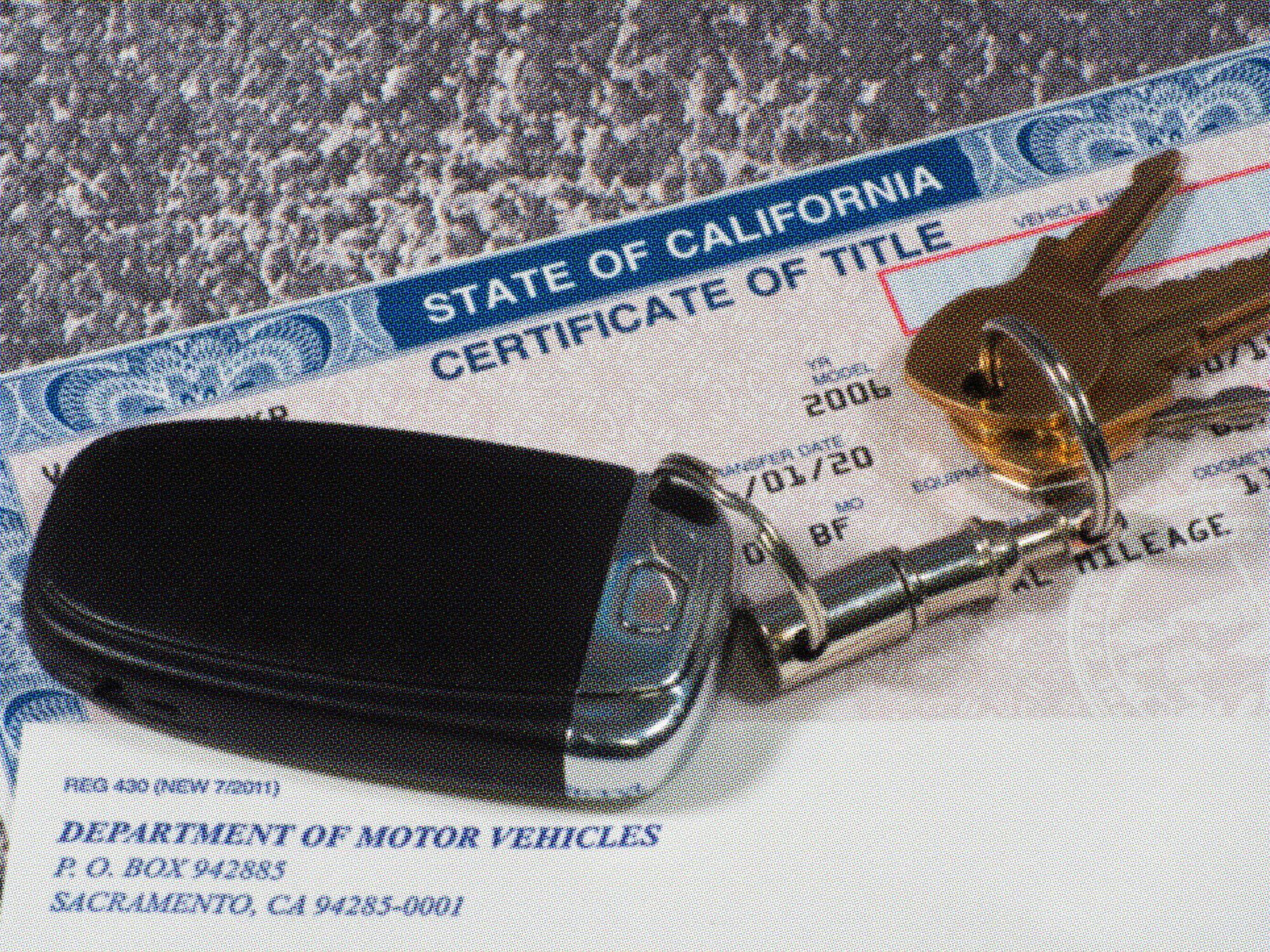
Before purchasing a used car priced significantly below market value, make sure to review the title closely. The title may reveal critical information about the vehicle’s history that could impact your decision. If a vehicle has a branded title, it means the car has a complicated history. This may include damage, fraud, or a major issue from the manufacturer.
Understanding what that title means, and the pros and cons, can save you time, money, and frustration down the line.
What is a branded title?
A branded title is a permanent label placed on a car’s title by a state motor vehicle agency. It informs future buyers that the vehicle has had important issues. These issues can include a total loss from an accident, a buyback under lemon law, or an odometer rollback.
A branded title indicates that a vehicle has sustained serious damage or defects. A clean title shows a normal history. Branded titles warn buyers about possible safety problems or costly repairs. The brand connects to the car’s vehicle identification number (VIN), and that info remains with the car forever.
Common types of branded titles
Here are the most frequent types of branded title you’ll run into when buying a used car:
Salvage title
Issued after the vehicle is declared a total loss by insurance companies. This usually happens after a severe crash, flood, or theft recovery.
Drivable? No, not until you repair the vehicle and get it inspected and reclassified as rebuilt.
Rebuilt title
A mechanic repaired a salvaged vehicle, passed inspection, and cleared it for road use.
Important: A rebuilt designation does not guarantee the absence of underlying issues. Damage may still exist beneath the surface.
Lemon title (buyback title)
A manufacturer issues this when they buy back a vehicle under lemon law. Ongoing defects in the vehicle prevent repairs even after several attempts.
Red flag: These issues can come back even after repair.
Flood or water damage title
Issued when a car suffers major water exposure, such as from a hurricane or storm.
Warning signs: Moldy smell, rust under seats, or malfunctioning electronics.
Odometer rollback title
If someone tampers with the mileage to make it seem lower, the car may receive a rollback brand.
Why it matters: It misrepresents the car’s age and condition and may hide significant wear.
Hail damage title
Issued if hail damage is extensive enough to impact the car’s safety or value.
Note: Not all states require branding for hail, so always check the vehicle history report.
Quick Comparison Guide of Branded Title Types:
Title Type | Road Legal? | Resale Hit | Biggest Risk |
|---|---|---|---|
Salvage | No | 40-60% loss | Structural danger |
Rebuilt | Yes | 20-40% loss | Hidden repairs |
Lemon | Yes | 30-50% loss | Repeat defects |
Flood | Yes, if rebuilt | 50%+ loss | Electrical fires |
Odometer Fraud | Yes | 10-25% loss | Undisclosed |
How branded titles impact resale and insurance
Buying a branded title vehicle may save you money up front, but there are real trade-offs:
- Lower resale value: Expect a 20–60% drop in value compared to similar clean title cars.
- Financing issues: Many lenders won’t offer loans on title cars with branding.
- Higher interest rates: If financing is available, expect higher costs.
- Insurance complications: Some insurance companies won’t offer full coverage on branded vehicles.
Can you drive a branded title car?
That depends on the type of brand:
- Rebuilt, lemon, or hail damage titles: Usually road-legal after inspection.
- Salvage or flood titles: Not legal to drive until fully repaired and reclassified.
Some states require additional forms or inspections, check your local motor vehicle agency for the latest rules.
Can someone remove a branded title?
No. Once a title is branded, the label is permanent, even if the car is repaired. Some sellers might try title washing. This means they register the vehicle in a new state to hide its brand.
However, the vehicle identification number (VIN) reveals the true history. Verify the vehicle’s history through official sources before making a purchase.
Is a branded title the same as rebuilt?
Branded title is a broad term for any official title status other than clean. A rebuilt title is a specific category within branded titles, indicating prior repairs after a total loss. You can use it only after someone fixes and checks a salvage title car.
Is purchasing a vehicle with a branded title advisable?
Consider the pros and cons:
You might consider it if:
- You’re a mechanic or know one who can inspect the car.
- Sellers typically price vehicles with branded titles 40% or more below market value.
- You do not intend to resell the vehicle in the near future.
You should avoid it if:
- You want financing or full insurance coverage.
- You are purchasing a primary vehicle for household use.
- You can’t verify repairs with receipts or inspections.
How to protect yourself when buying
- Review the vehicle history report
- Have the car inspected
- A certified mechanic can check for frame damage, electrical issues, and improper repairs.
- Verify repairs and documentation
- Don’t rely on the seller’s word, ask for repair records, inspection certificates, and parts invoices.
The bottom line
Branded titles are not necessarily a non-starter, but they warrant thorough evaluation. Whether labeled salvage, lemon, or rebuilt, each title conveys critical information, review it carefully.
Do your research, run a VIN check, and understand the risks. The right branded title vehicle might save you money, but only if you’re prepared for the extra work that comes with it.
And if you’re thinking, "This sounds like too much hassle," there’s an easier way. At Peddle, we buy cars as-is, no matter their title status—salvage, rebuilt, or otherwise. Skip the uncertainty and get a fair, no-pressure offer in minutes.
Selling Basics
car title issues